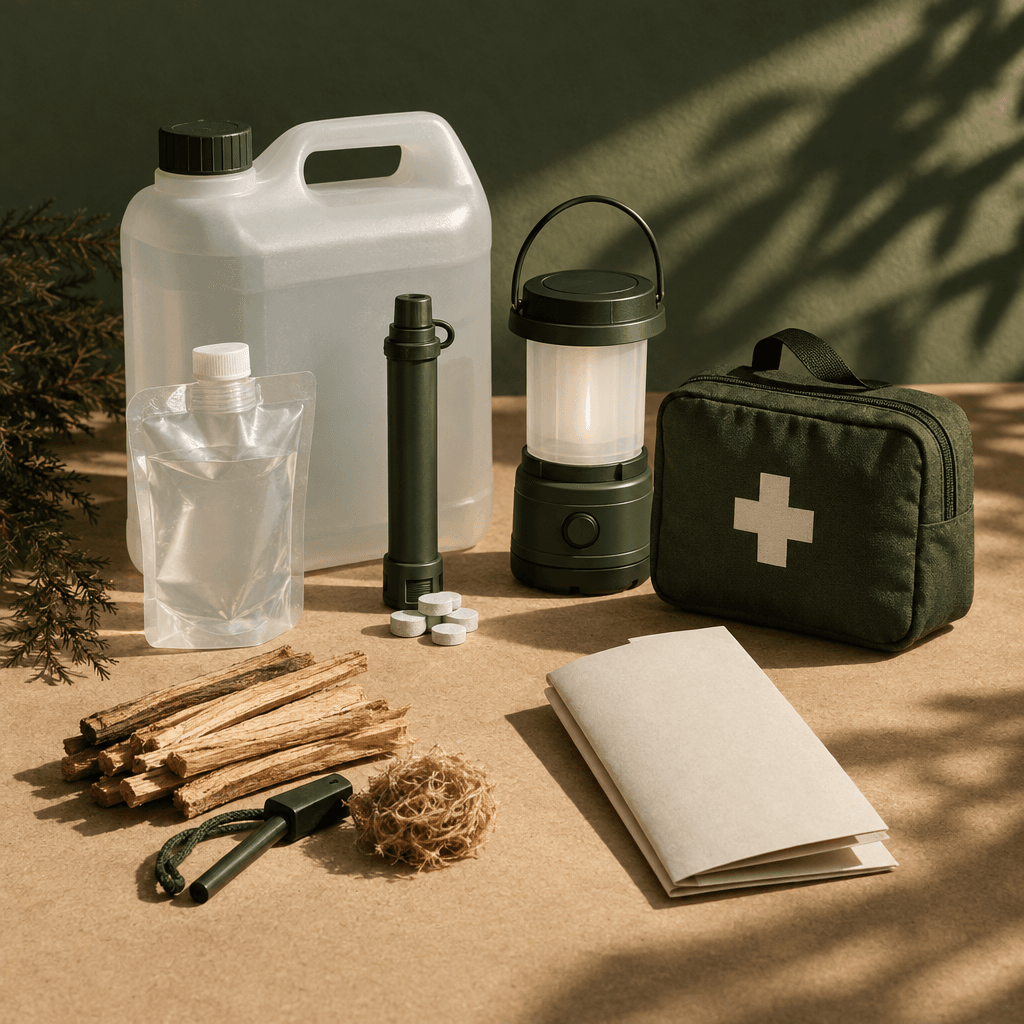
 01
Starter
Family of four
$149 USD
Includes 72-hour food, water storage and purification, lighting, first aid, fire basics, and a guide.
- 72-hour food
- Water storage and purification
- Lighting
- First aid
- Fire basics
- A guide
Rook & Ration · Family preparedness
Choose a budget, then see the essentials together: food, water, light, first aid, shelter and a practical how-to guide.
Start with the family-of-four kits below, or build a plan around your household.
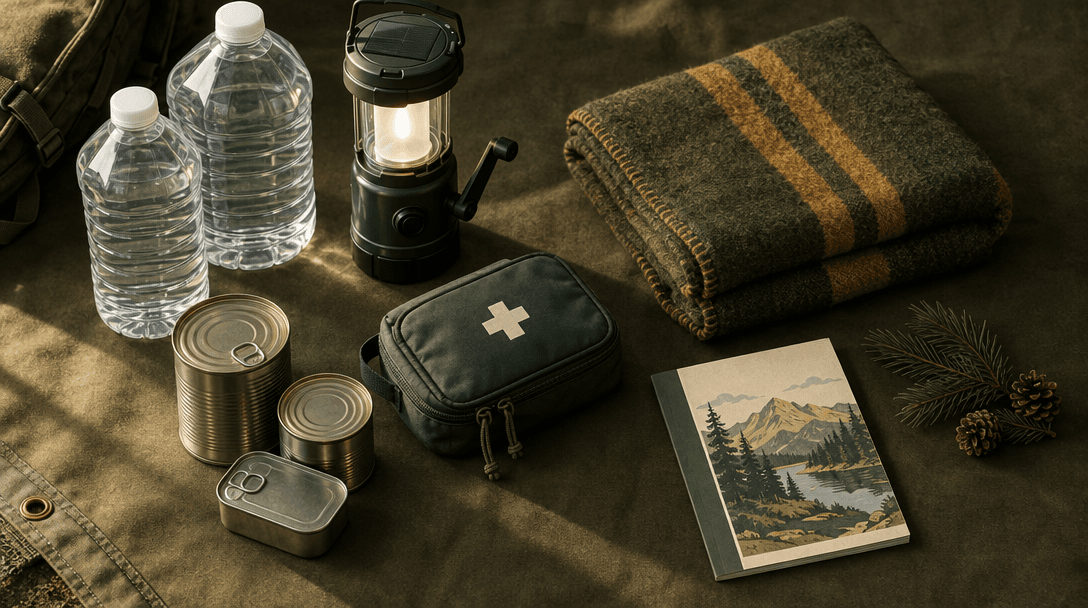
The family kits
Supplied family-of-four tier examples in USD. These descriptions are separate from the saved product catalog. See the ready-made offer. Explore the kit collection
01Family of four
$149 USD
Includes 72-hour food, water storage and purification, lighting, first aid, fire basics, and a guide.
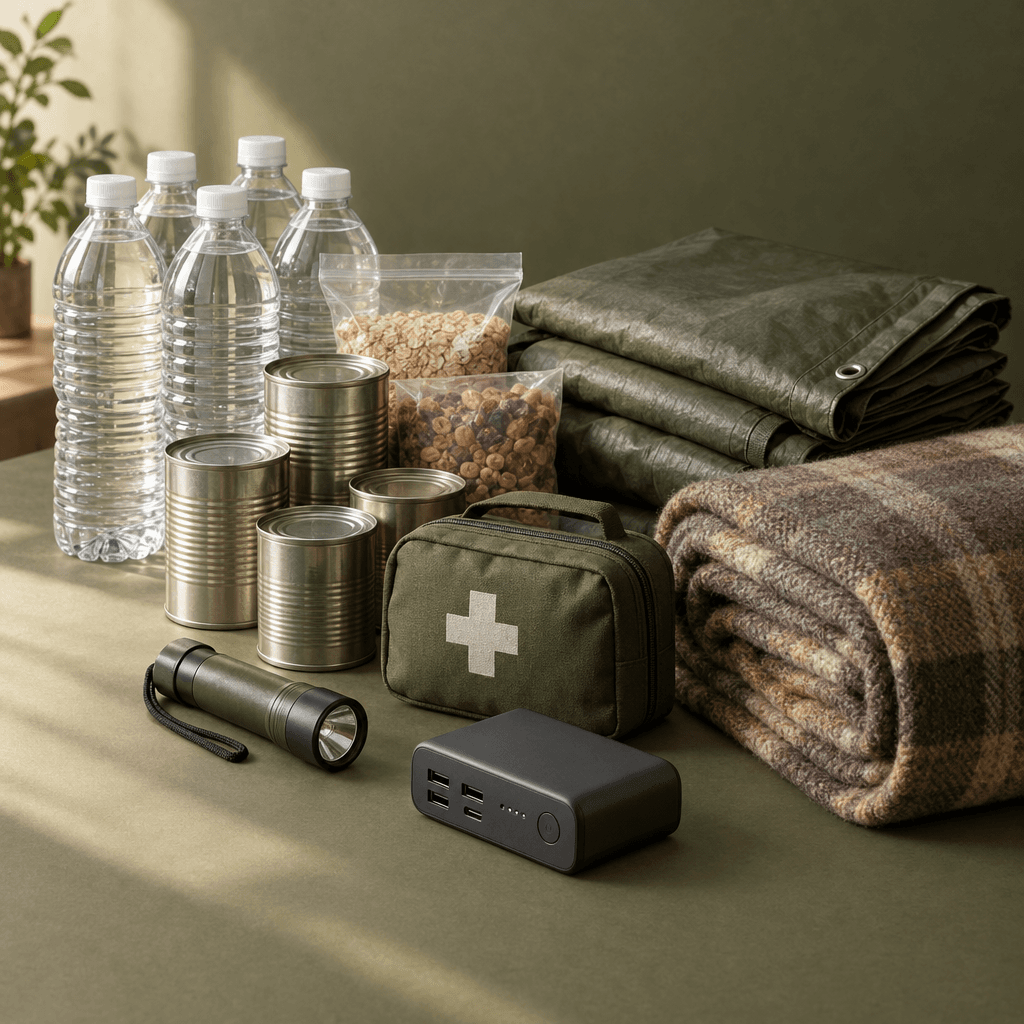 02
Family of four
$249 USD
Adds shelter and warmth essentials plus backup power.
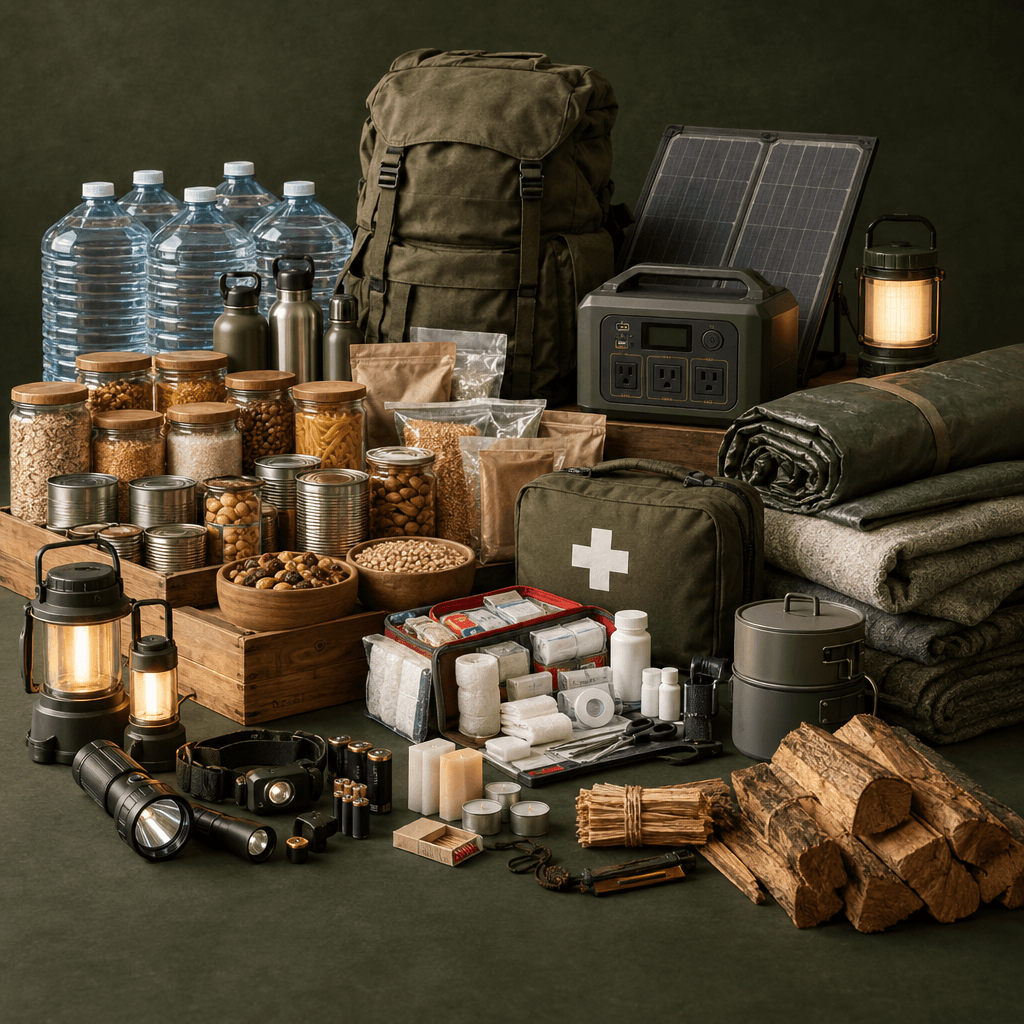 03
Family of four
$399 USD
Expands food and water capacity and adds more robust power and shelter supplies.
Image note: these styled illustrations suggest kit categories; they do not depict specific products or confirmed inventory. Prices and contents above are the supplied family-of-four examples.
A simpler way to prepare
Preparedness is easier to start when the pieces make sense together.
Share household size, ages and climate in the planner.
Compare Starter, Standard and Full family-of-four examples.
See which preparedness categories each tier describes, together.
Your household, your starting point
Share a few details, then choose the budget that feels right. Your answers stay in this browser, so you can come back to the plan without an account.
Age- and climate-specific recommendations, calorie targets, and kit quantities beyond the family-of-four examples are not configured yet. The planner keeps those choices visible without treating them as adjustments.
Practical how-to guide
These public instructions are separate from any kit’s described contents. They do not verify inventory or promise product performance.
FEMA’s baseline is at least 1 gallon per person per day. For germ treatment, CDC says to bring clear water to a rolling boil for 1 minute, or 3 minutes above 6,500 feet. Boiling does not remove chemicals; follow local water advisories and use a safe alternative source if chemical contamination is suspected.
Keep refrigerator and freezer doors closed during an outage. CDC’s limits are a refrigerator at or below 40°F and freezer at or below 0°F; an unopened refrigerator keeps food safe for up to 4 hours, a full freezer for 48 hours, and a half-full freezer for 24 hours.
Keep blankets or sleeping bags with household emergency supplies so they are easy to find if you need to leave or shelter at home. Choose items for your household and follow local weather and evacuation instructions.
Draw a home escape plan with two ways out of every room and choose a meeting place outside. Make sure household members know the plan and can reach the exits.
Check a first-aid kit regularly, replace used or expired supplies, and learn how to use the materials through appropriate training. Ask a clinician or pharmacist about household medical needs.
Keep a flashlight and extra batteries where the household can find them in the dark. The Red Cross lists both in its basic emergency kit guidance.
If using a portable generator, keep it outdoors at least 20 feet from doors, windows, and vents; keep it dry, use outdoor-rated, heavy-duty extension cords, and have working battery-powered or battery-backup carbon monoxide alarms. Shut it off and let it cool before refueling. Follow the generator maker’s instructions.
Treat these steps as general information, not a product inventory or a promise about kit performance. Review local alerts and instructions during an emergency, and revisit your household plan when your needs change.
One step at a time
A $50/month small-box kit-building plan is an idea, not an active subscription. Ask us about building your kit over time.
Ask about the monthly planCustomer support
Find delivery, returns, and privacy information, or send us a note.